2026-11-28 · 4 min read
What Is a 5in1 Parka? Five Configurations
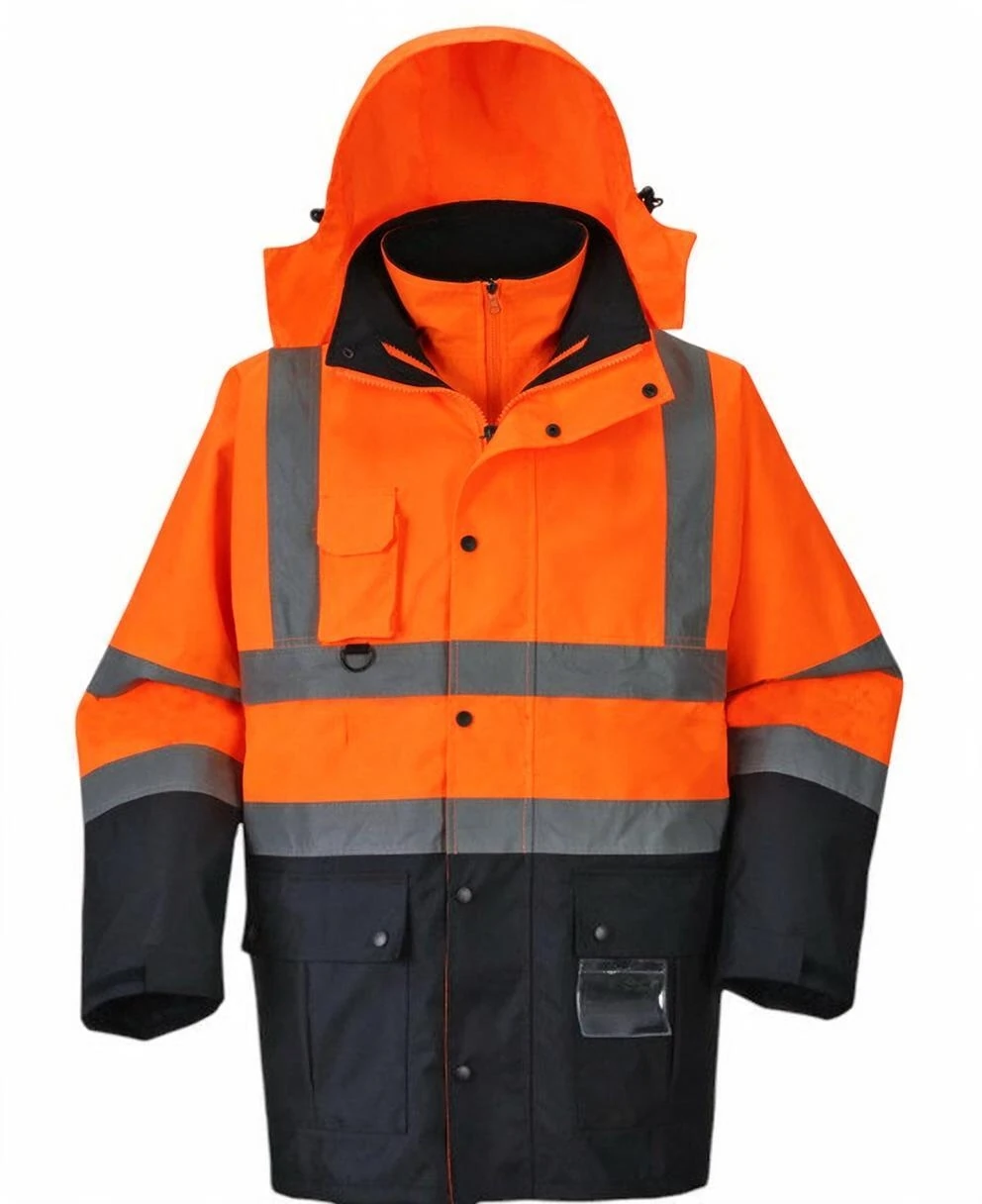
A 5in1 parka combines removable inner layers and an outer shell in different arrangements. Buyers may search for removable-inner jackets or 5+1 parkas; the Blacksafe system describes five configurations. The search term “5+1” does not establish a verified sixth mode here. Use the pieces and configurations described for the model.
Full protection
Full protection combines the shell and inner jacket. Assess layered construction for wet, cool outdoor duties. “Full protection” is a configuration name, not a technical claim covering every hazard or unlimited protection. Read model entries for rain, visibility and other risks separately. Check fastenings, layer connections, movement and other PPE compatibility.
Outer shell
Wearing the shell alone removes the inner layer's bulk. For wet transitional weather, assess the outer layer's own properties. BS-1000–BS-1003 catalogue entries record outer-jacket EN ISO 20471 Class 3 and EN 343 3:2. This does not establish rain protection for an inner jacket worn alone. Use hoods and fastenings according to instructions.
Inner jacket
The inner jacket can be detached. Assess its mobility and conspicuity for dry, cool work. The catalogue records EN ISO 20471 Class 2 for the inner jacket; outer Class 3 does not transfer automatically. If a duty requires Class 3, a safety assessment must determine whether shell removal is appropriate. Warmer weather alone does not change the required class.
Inner vest
Removing detachable sleeves creates the inner-vest configuration. It may be considered for warehousing and active duties. Removal may change visible surface arrangements, so do not assume every inner-jacket property transfers unchanged to vest mode. Review labels and instructions for the configuration. Do not add unrecorded vest classes or test results.
Shell + vest
The outer shell and sleeveless inner layer retain torso layering while changing the arm construction. Select this option by assessing movement needs and weather together. Attach inner pieces correctly and avoid covering reflective surfaces with other equipment. Trial bending, reaching and vehicle use rather than relying on standing appearance alone.
Seasonal planning
Wet shifts, dry warehouses and cool outdoor night duties may call for different configurations from one family. A season name still does not assign a protection class. Review environment, traffic, visibility requirements and garment labels together. Where layers have different care instructions, follow separation guidance before washing. Do not guess temperatures or service periods where none are verified.
Compare the models
BS-1000, BS-1001, BS-1002 and BS-1003 pages show photographs, colours and layer entries. BS-1002 is solid neon yellow and BS-1003 solid neon orange; confirm choices against photographs. The 5in1 category supports comparison, while the care guide explains general use. Read each model's material and sizing information from its own technical table.
Procurement and model verification
Provide model codes, quantities, size allocation, field conditions and logo placement when requesting a quotation. Requesting a standard does not establish that the model is independently certified to it. Review product descriptions, technical tables and the Certificates section together. Read labels, instructions and declarations for the specific model; another product's data do not transfer automatically.
Compare body measurements with the size guide and test movement while wearing the intended layers. Printing or embroidery must not reduce visible areas or compromise protective construction; discuss the customisation plan with the manufacturer. Follow garment labels for care and storage. If no service-year or wash-cycle limit is verified, do not assume a fixed lifetime. International supply requires a separate review of destination regulations; CE marking is not automatic acceptance in every country.
The standards guide explains terminology; use catalogue documents for specific model information. Request a corporate quotation for your team's needs.
Preserve model identification when storing modular pieces. Do not combine parts from different families without verified compatibility. Similar zips or colours do not establish approval for protective use. Discuss replacement of missing pieces with the manufacturer.