← All Products
Reflective Jackets
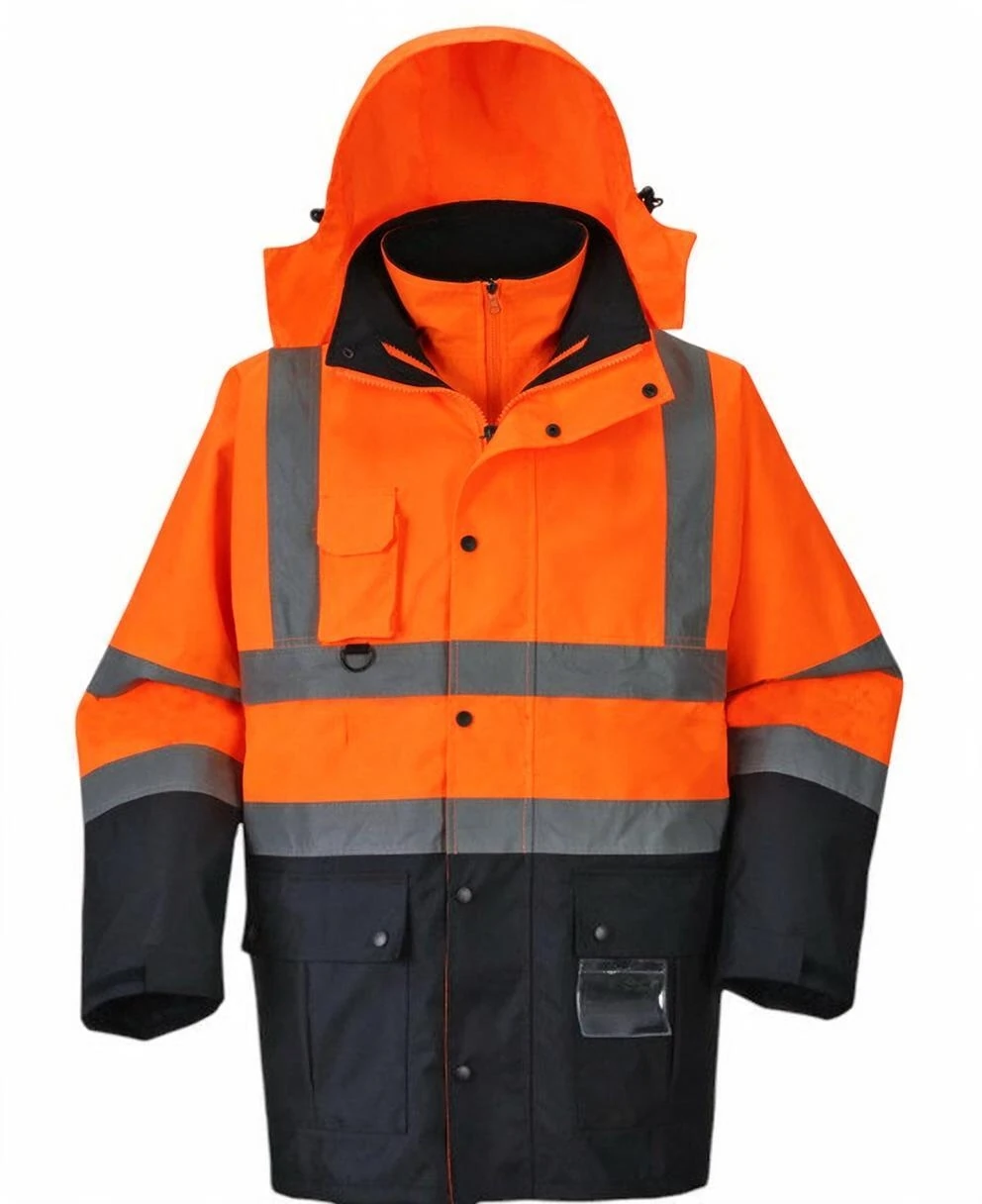
Windproof, breathable reflective work jackets and hi-vis softshell models to EN ISO 20471 and EN 343 for construction, logistics, energy and road-maintenance crews.
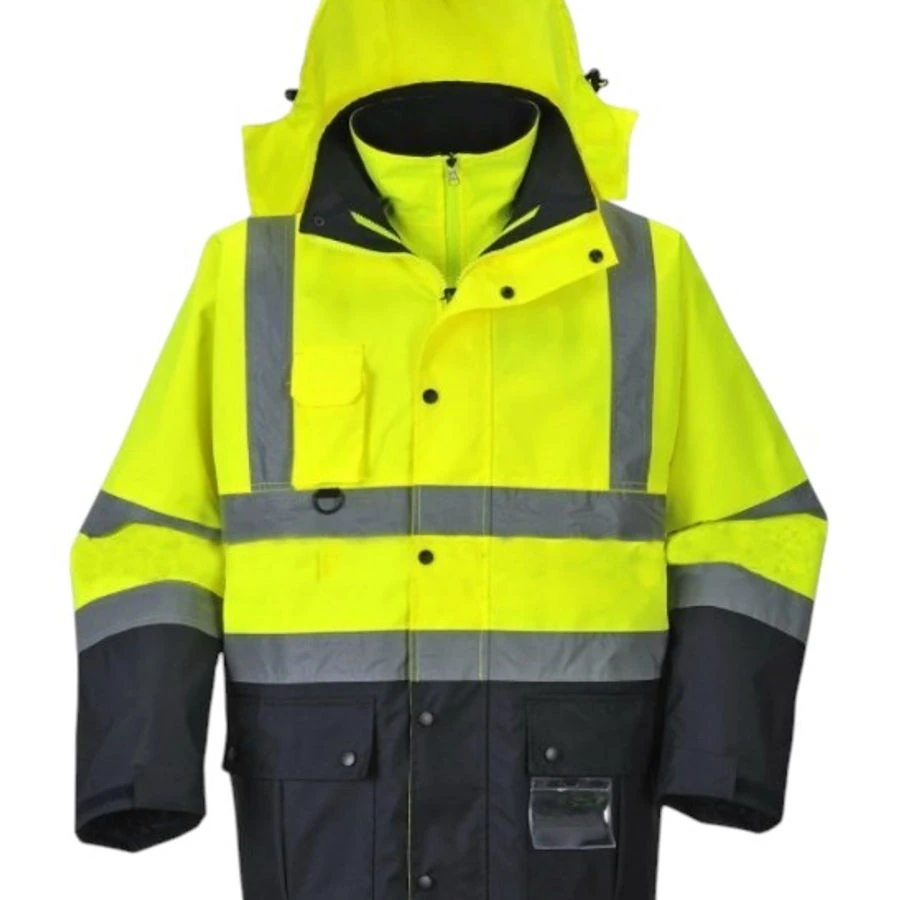
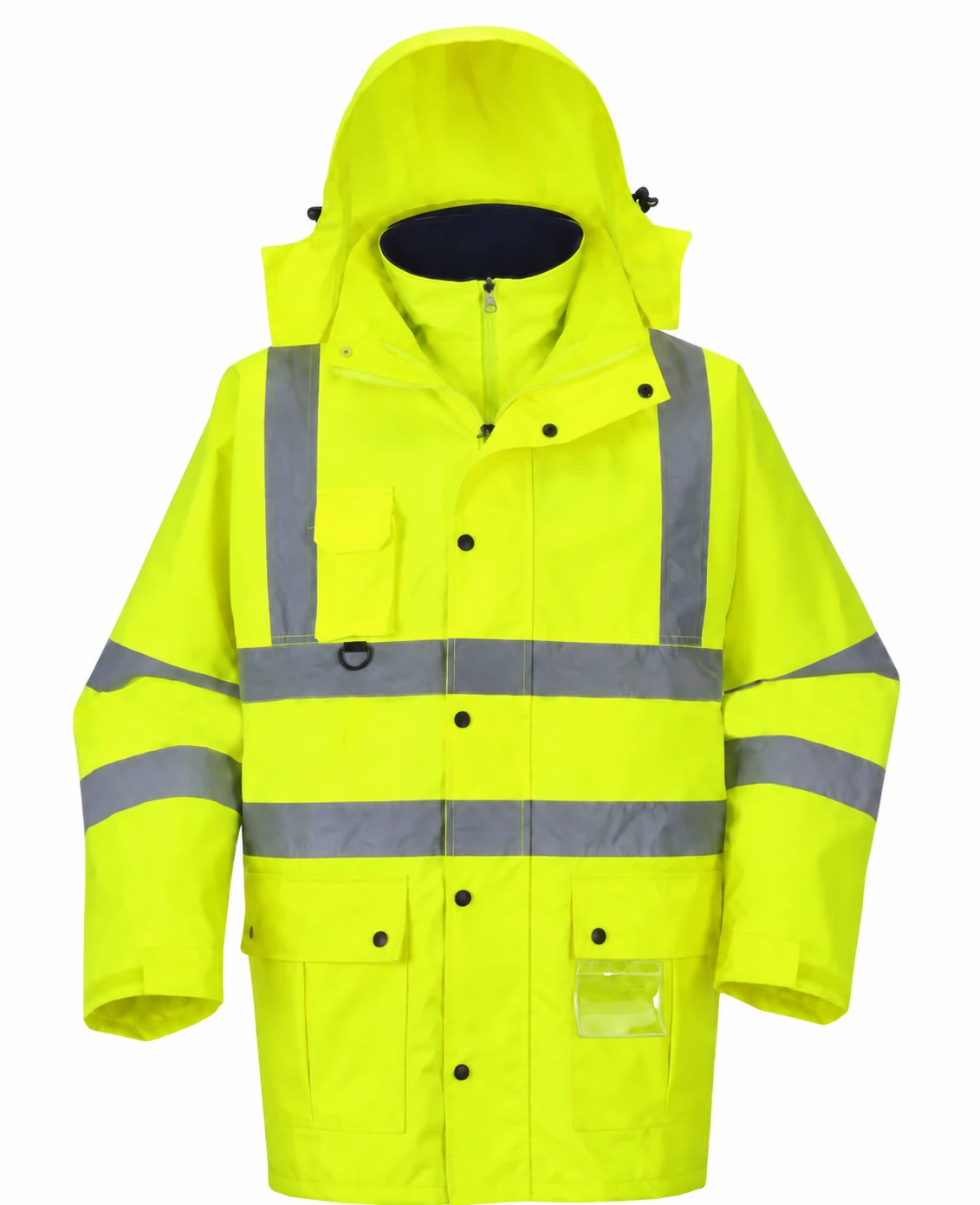
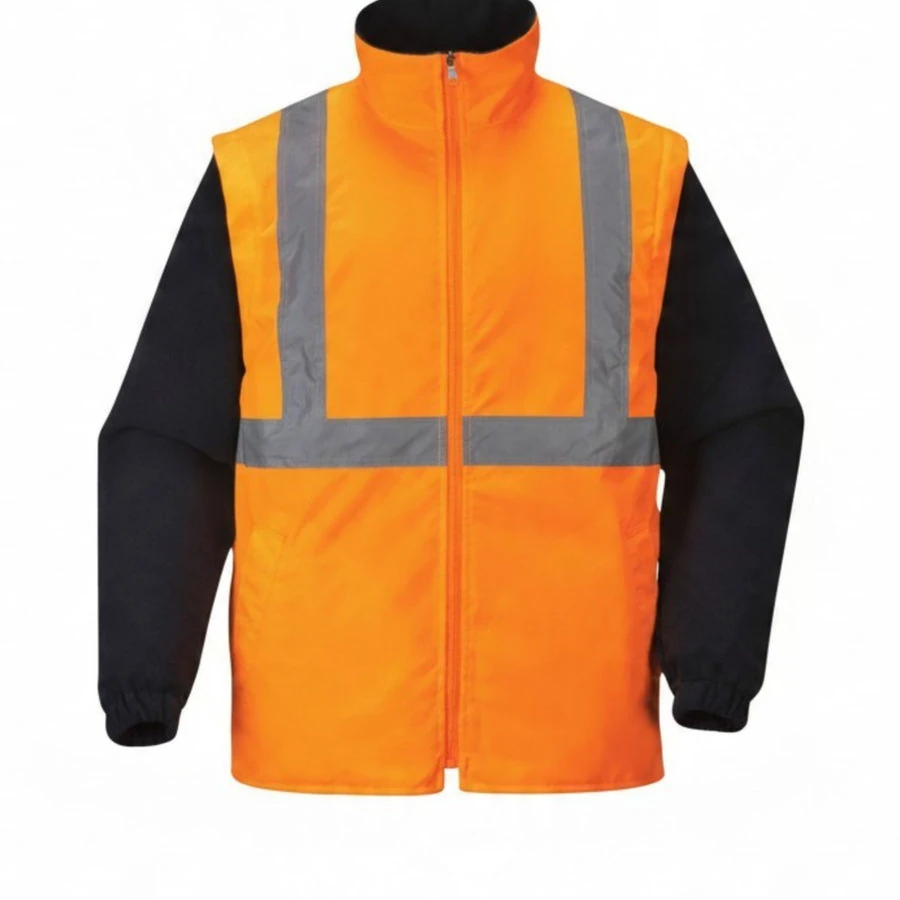
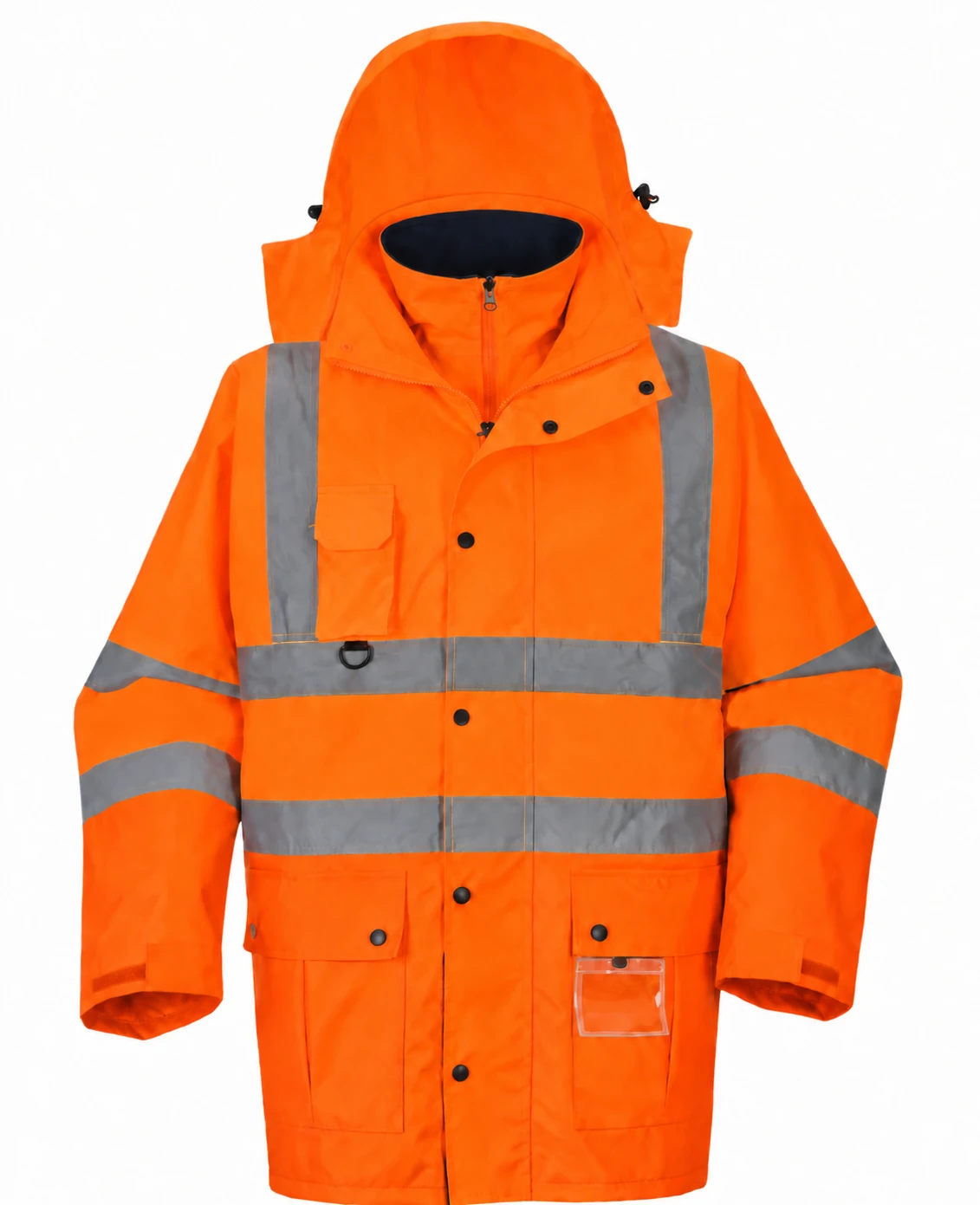
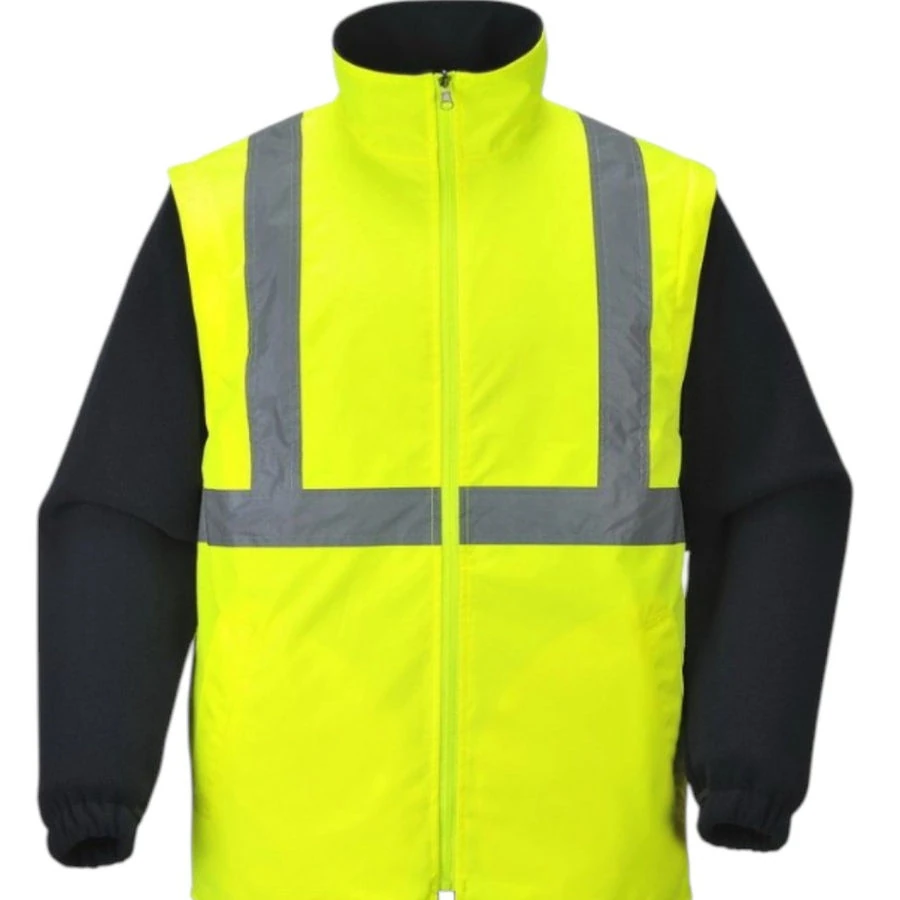
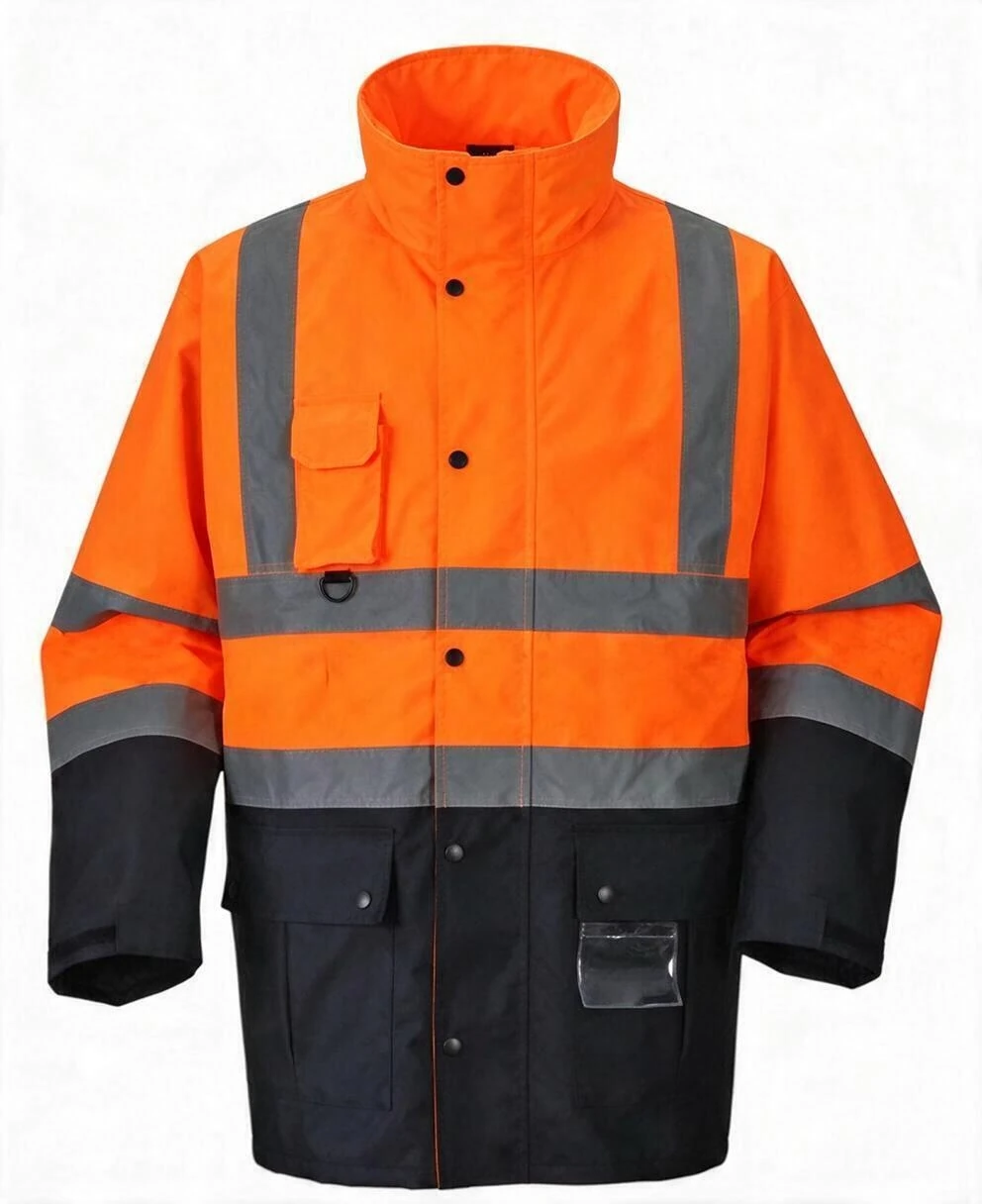
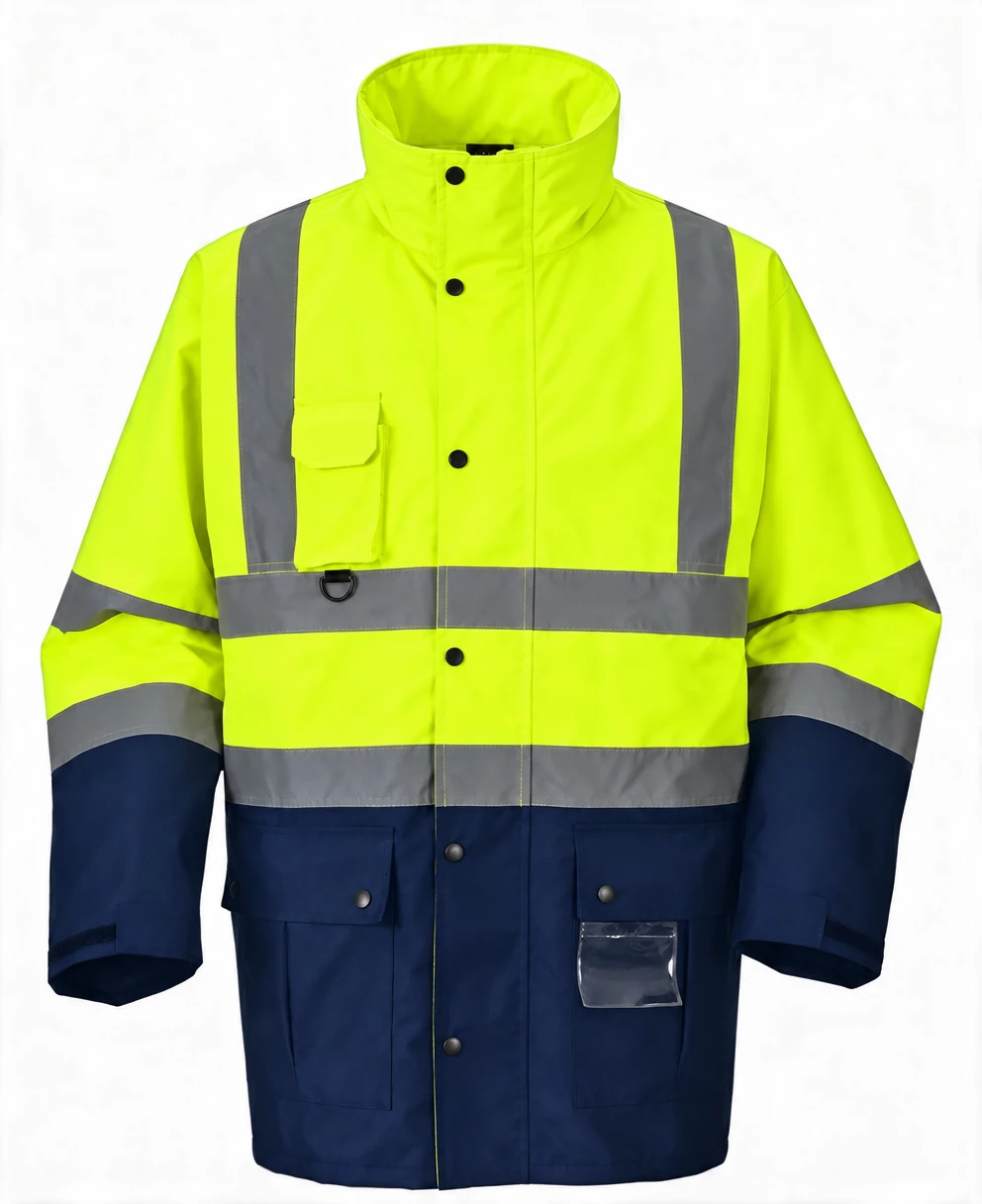
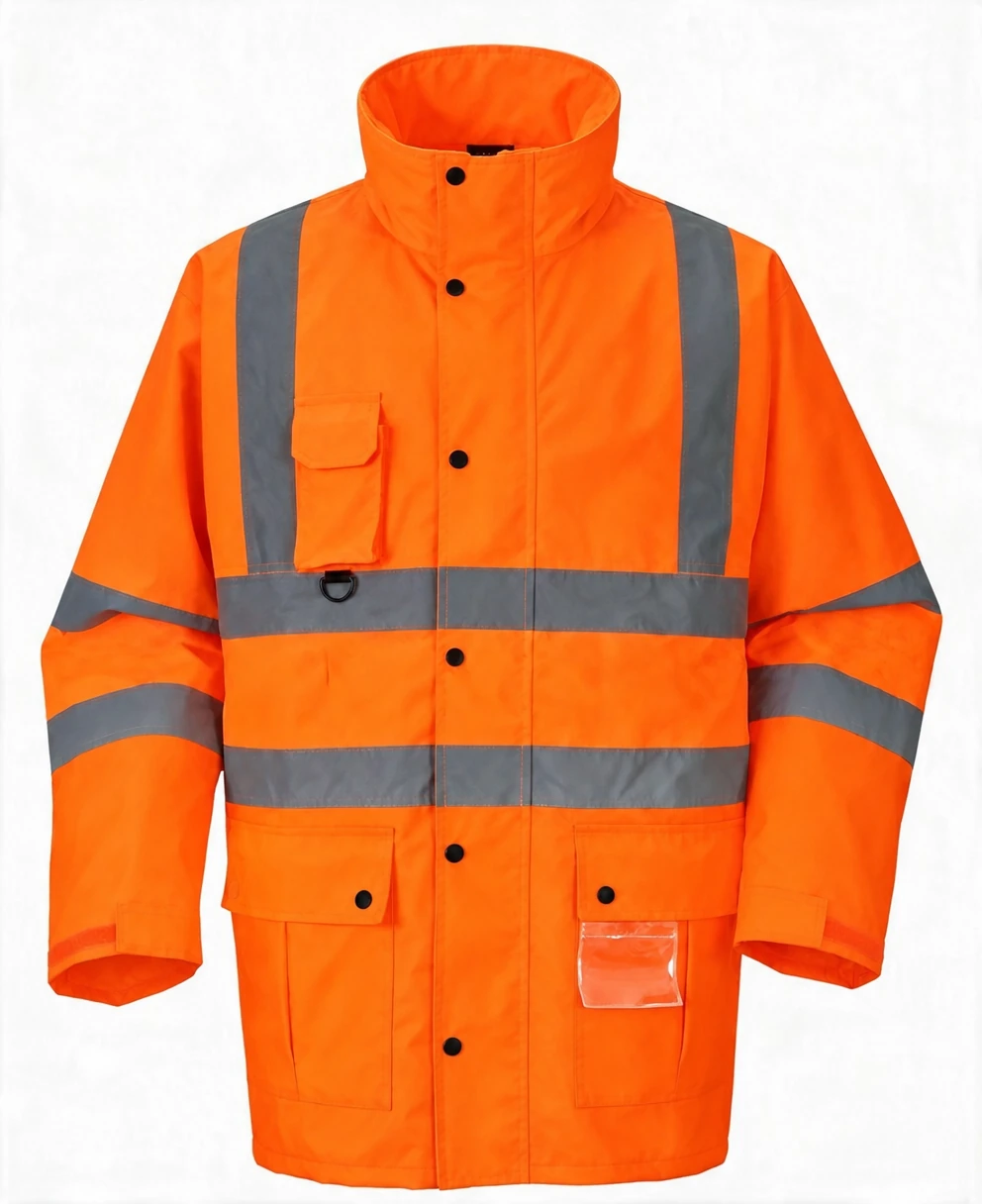
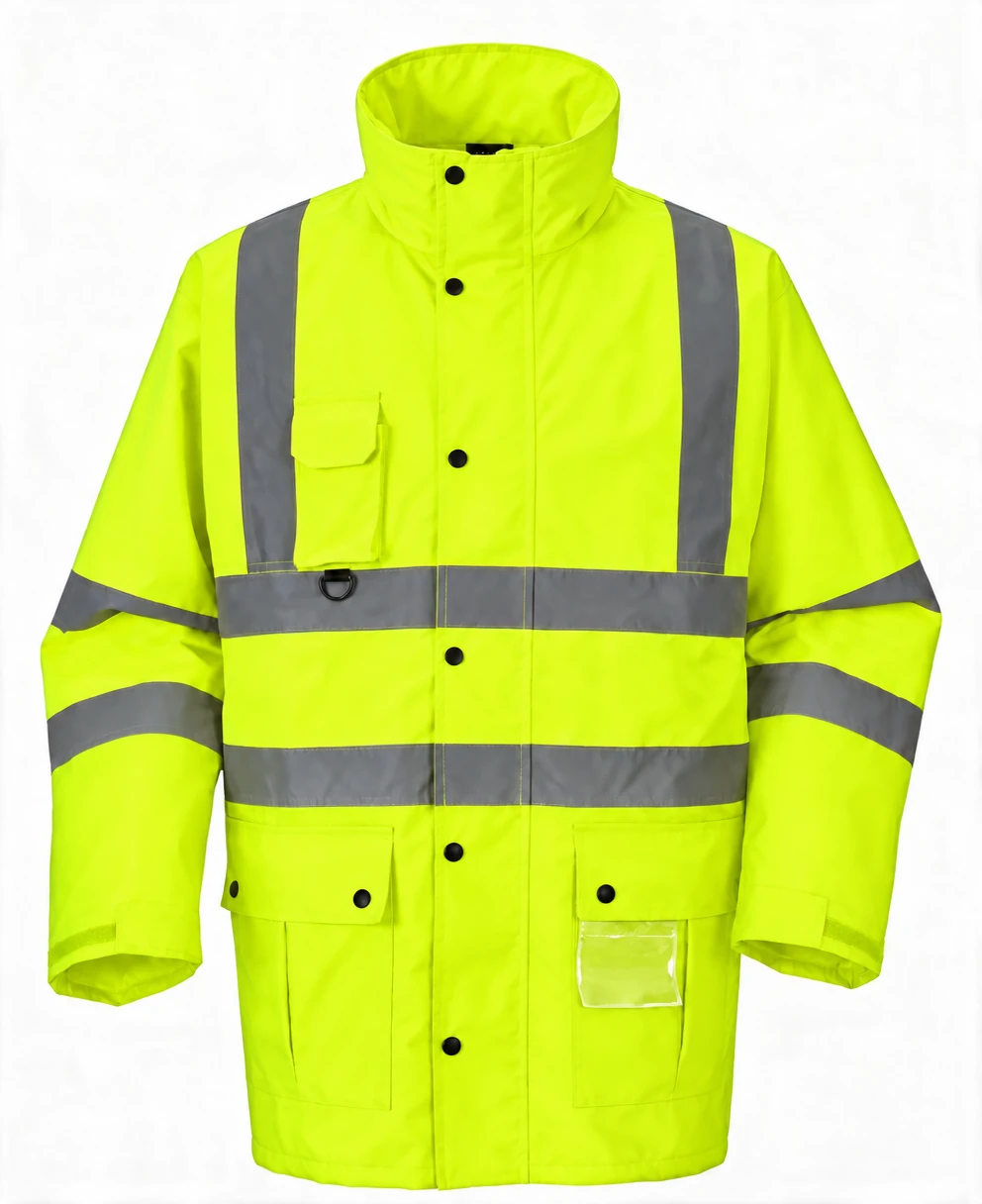
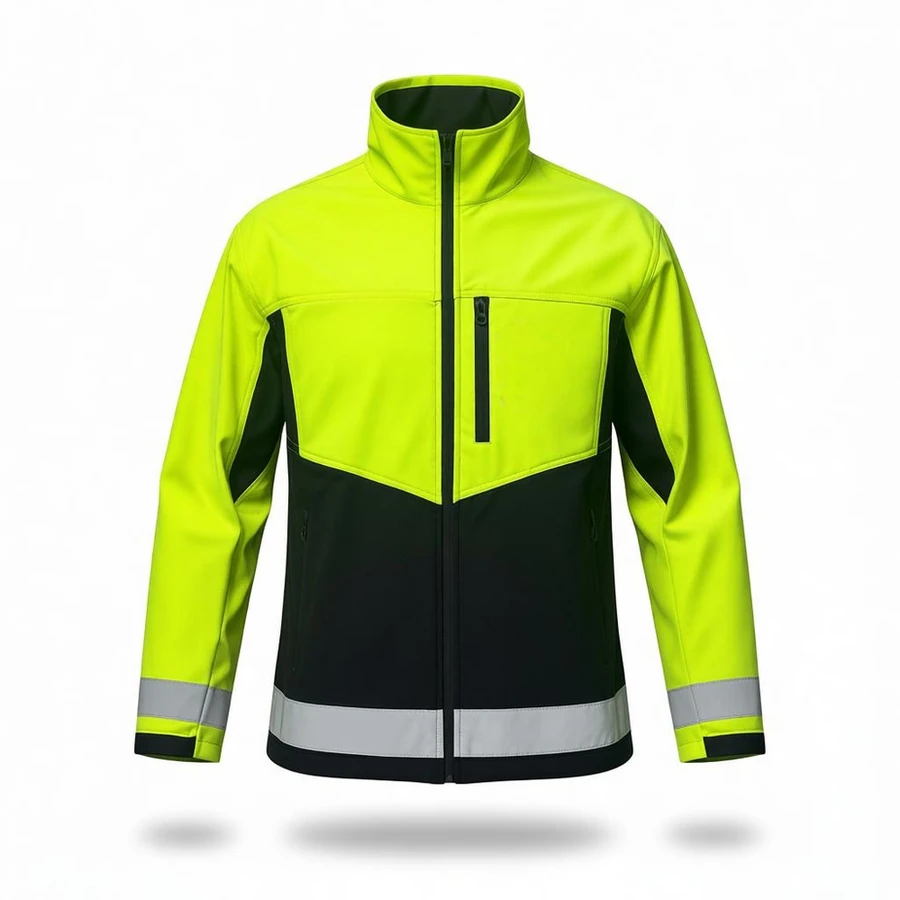
Reflective jacket selection separates visibility from weather protection. Teams buying winter reflective jackets should compare more than thickness: water penetration, layering, freedom of movement and the recorded protection class all matter. Softshell, insulated parkas and modular jackets are not identical constructions.
Our manufacturing approach
Blacksafe considers field tasks, corporate colour preferences and staff size allocation together. Catalogue cards link directly to relevant models. A photograph is not a standard or test result; read product descriptions, technical tables and model documents together. This manufacturer's guide cannot establish certificates or test values not recorded in the catalogue.
How to choose
Begin with the work environment, vehicle movements, shift hours and the worker's tasks. Fluorescent material supports daytime conspicuity, while retroreflective tape returns light towards its source; these are different functions. EN ISO 20471 Classes 1, 2 and 3 distinguish visible material areas. The employer's risk assessment determines the required class. A category name does not establish the same protection class for every model. Read the standard code together with the class recorded in the model documents.
Check the catalogue's XS–5XL range against the size entry for the individual model. Include inner layers, other PPE and movements such as bending and reaching in a fit trial. Body measurements are not finished garment dimensions. Consider yellow or orange against the worksite background and local requirements, not simply the corporate colour scheme. State the requested colour, size and protection class separately in the quotation; do not assume unavailable options exist.
Corporate customisation
Logo printing or embroidery must not reduce visible surfaces or compromise protective construction. Review placement, application method and a sample before confirming production. If different teams require different colours or size allocations, provide headcounts, item quantities and delivery addresses. Sample approval, production and delivery plans are agreed during quotation. This page does not promise fixed lead times or compliance with every country's regulations.
Use the standards and pictograms, customisation options and size guide to support selection. Model documents are available in the Certificates section of each product page. Request a corporate quotation with model codes, quantities, size distribution and field conditions.
Choosing the jacket for the season
For wet, cool shifts, assess an outer shell; in dry, cool conditions, consider the inner jacket or an appropriate softshell. In colder environments, review the model's recorded insulation features. Group outdoor duties, warehouse work, vehicle use and night work separately rather than automatically assigning one jacket to everyone. Consider conspicuity against nearby vehicles, machinery and structures. Layers must not restrict movement or cover reflective strips.
Two-tone BS-4000 and BS-4001, and solid-colour BS-4002 and BS-4003, have their own material and protection entries. Modular BS-1000, BS-1001, BS-1002 and BS-1003 allow layers to be selected separately. The recorded visibility class for 2in1 BS-6000 and BS-6001 is Class 2, not the Class 3 of a 5in1 outer jacket.
What does EN 343 waterproofness classification mean?
In the recorded EN 343 3:2 notation, the first value is water-penetration resistance Class 3 and the second concerns water-vapour resistance Class 2. Rain protection and moisture management are different properties. EN 343 alone does not establish visibility or cold protection. Confirm the combination of protections in the model documents and do not mix classification systems from different editions.
Caring for a winter reflective jacket
BS-1001's recorded technical information describes reflective strips resistant to 60 °C washing. This does not authorise every part or every model to be washed at that temperature in all conditions; the garment label takes priority. Close fastenings and check layer-separation instructions before washing. Tape separation, tears or permanent fading call for an assessment of continued protective use. Do not invent fixed wash-cycle or service-year limits where none are verified. The care guide explains general principles.
Shift and procurement planning
Organise the purchasing list by duties as well as headcount. Summer and winter garments with the same size label may still require a layered fit trial. Assess samples through the worker's actual movements, not just while standing. Specify model codes, quantities, print placement and size allocation in the quotation. For supply to Europe, the Middle East or Africa, check the destination's regulations and site specification separately; CE marking is not automatic acceptance in every country.
Comparing samples across seasons
Evaluate each model with the intended mid-layer and other PPE. Check that fastenings work, the hood does not obstruct the task and visible surfaces remain exposed while bending and reaching. Record comfort observations separately from certified protection values: a successful fit trial does not create a laboratory test result. Discuss differing duties with the safety team before standardising the purchasing list. Where a recorded property is missing, ask the manufacturer instead of extending another model’s performance to it. Preserve model codes when changing colours or quantities in the quotation.