
2026-11-28 · 4 min read
What Is EN 343? Rain Protection and Class 3:2
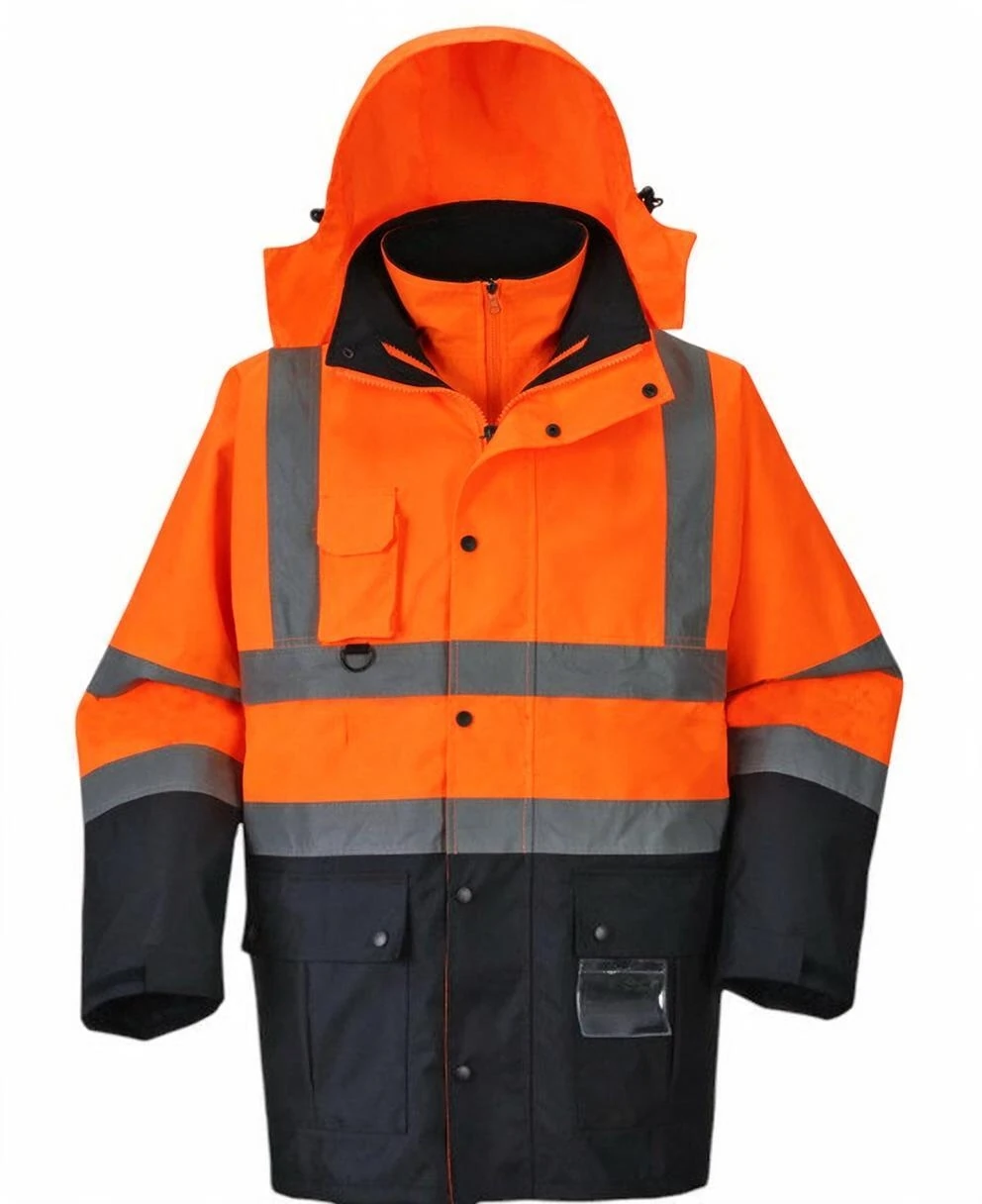
EN 343 addresses requirements for clothing protecting against rain. Resistance to water penetration and resistance to water vapour are different measures; read the displayed values separately. EN 343 does not itself establish visibility, cold, chemical or electric-arc protection. Those hazards require separate model entries.
Reading EN 343 3:2
The Blacksafe catalogue's 3:2 notation records water-penetration resistance Class 3 first and water-vapour resistance Class 2 second. The second value relates to breathability in everyday discussion but does not promise identical comfort at every temperature. Read the standard edition together with the model documents. Do not mix class ranges from different editions or add unrecorded classes and tests.
Water penetration and moisture management
Resistance to water passing through fabric or joins concerns water arriving from outside. Managing moisture generated by a worker involves water-vapour resistance and usage conditions. Confusing these can lead to incorrect selection. Workload, temperature, inner layers and fastenings may affect comfort. Do not derive unverified working-hour or temperature limits from a class.
Rain suit, long raincoat or parka
Rain suits and long raincoats offer different coverage. Assess upper and lower suit pieces together. Long raincoats may require particular attention to movement, sitting and vehicle use. Catalogue rainwear models record EN ISO 20471 Class 2 and EN 343 3:2. Keep visibility and rain classifications separate for the same model.
BS-4001 and BS-1001 5in1 also record EN 343 3:2. Removing a modular outer shell does not transfer its rain protection to the inner jacket. Follow information and markings for the configuration worn. Check hoods, fastenings, seams and coatings in the model's technical table.
Worksite considerations
Where rain occurs alongside traffic, assess visibility separately. If other equipment is worn, test hood, closure and movement compatibility with a sample. Tears, coating wear and failed zips may affect rain protection. Continued protective use of a damaged garment cannot be judged by appearance alone. Follow the care label and instructions.
Care and document checks
Washing, drying and storage may affect coatings and joins. General principles in the care guide do not replace the garment label. Do not assume a fixed lifetime or wash-cycle count for every product. Before purchasing, review model scope through declarations and documents; a pictogram alone is not certificate evidence.
Procurement and model verification
Provide model codes, quantities, size allocation, field conditions and logo placement when requesting a quotation. Requesting a standard does not establish that the model is independently certified to it. Review product descriptions, technical tables and the Certificates section together. Read labels, instructions and declarations for the specific model; another product's data do not transfer automatically.
Compare body measurements with the size guide and test movement while wearing the intended layers. Printing or embroidery must not reduce visible areas or compromise protective construction; discuss the customisation plan with the manufacturer. Follow garment labels for care and storage. If no service-year or wash-cycle limit is verified, do not assume a fixed lifetime. International supply requires a separate review of destination regulations; CE marking is not automatic acceptance in every country.
The standards guide explains terminology; use catalogue documents for specific model information. Request a corporate quotation for your team's needs.
What should a sample trial assess?
Assess rainwear with work footwear, gloves, helmets and other PPE. Consider arm and leg movement, usable fastenings and overlap between pieces. Inner-layer thickness may change fit. If workers frequently move between wet outdoor duties and indoor areas, discuss clothing arrangements with the safety team. A sample trial is not a laboratory test or a new EN 343 class; it supports usage compatibility. Recorded model information remains the basis for protection classes. Requested extra features must not be described as existing catalogue properties.