2026-11-28 · 4 min read
What Is EN ISO 20471? High-Visibility Clothing
EN ISO 20471 is a standard for high-visibility clothing intended to support worker conspicuity in daylight and under specified illumination. Its code is not a generic product name, a certificate covering every hazard or a protection class by itself. Check the edition and class recorded for the specific garment separately.
Fluorescent fabric and reflective tape perform different roles
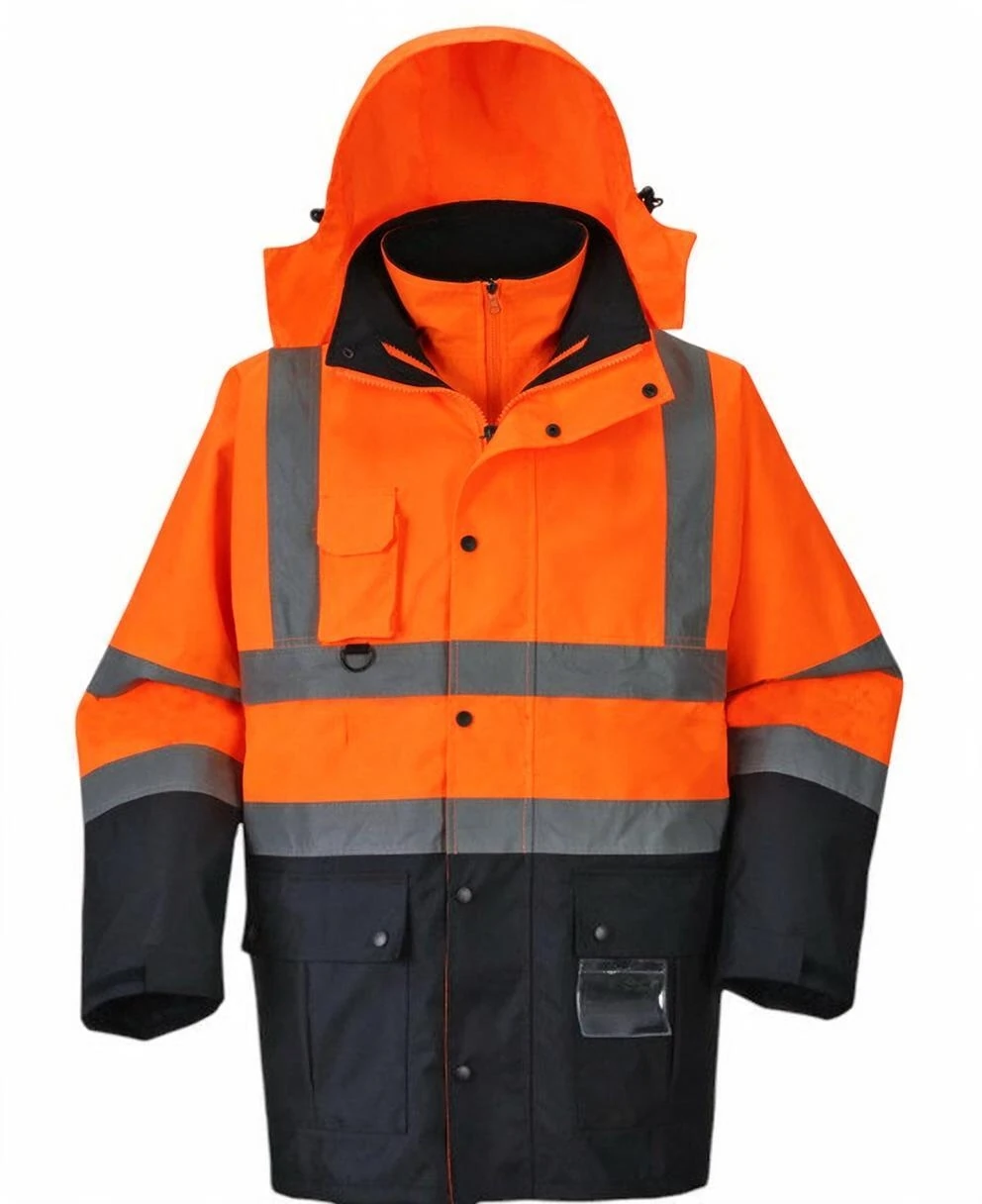
Fluorescent background material supports daytime conspicuity. Retroreflective strips return incident light towards its source. A yellow or orange appearance is not a test result. Two garments with similar colours may have different performance or visible areas. Selection cannot rely on photograph brightness alone; review material information and model documents together.
Material areas and classes
| Class | Fluorescent area | Retroreflective area | Environment to assess |
|---|---|---|---|
| 1 | ≥0.14 m² | ≥0.10 m² | Lower traffic risk; worksite assessment required |
| 2 | ≥0.50 m² | ≥0.13 m² | Warehousing, logistics and urban work; assess the actual risk |
| 3 | ≥0.80 m² | ≥0.20 m² | Higher traffic risk, night work and poor visibility |
These examples are not automatic legal assignments. Minimum areas do not explain every garment requirement; assess design, material performance, marking and model verification too.
Class 3 indicates greater visible material areas, not protection against rain, cold, chemicals or electric arc. The employer's risk assessment determines the required class. Category names do not establish identical classes across products. Design and material performance also form part of conformity assessment; the table shows only area differences.
Read garment configurations correctly
BS-1000–BS-1003 catalogue entries record Class 3 for outer jackets and Class 2 for inner jackets. The BS-1001 page distinguishes these layers. Removing shells or sleeves changes the visible arrangement; an outer class does not transfer to an inner piece. Wearing two garments does not add their class numbers. Without documented combination information, do not assume the result.
Distinguish model entries from certificate evidence
Pictograms help identify the protection topic but do not replace an independent certificate's number or scope. Read declarations, model classes and technical descriptions together. Find model information through declarations and documents. EN ISO 13688 general conformity is kept separate and must not be interpreted as an EN ISO 20471 class.
Preserve visible areas in use
Bags, harnesses, additional vests and large prints may cover visible materials. Test samples with equipment used for the real task. Check dirt, fading and damaged tape. Open fastenings or incorrect fit may affect surface arrangements. Follow labels, instructions and the company's inspection process together. Choose between safety vests and reflective jackets by assessing both duties and weather.
Procurement and model verification
Provide model codes, quantities, size allocation, field conditions and logo placement when requesting a quotation. Requesting a standard does not establish that the model is independently certified to it. Review product descriptions, technical tables and the Certificates section together. Read labels, instructions and declarations for the specific model; another product's data do not transfer automatically.
Compare body measurements with the size guide and test movement while wearing the intended layers. Printing or embroidery must not reduce visible areas or compromise protective construction; discuss the customisation plan with the manufacturer. Follow garment labels for care and storage. If no service-year or wash-cycle limit is verified, do not assume a fixed lifetime. International supply requires a separate review of destination regulations; CE marking is not automatic acceptance in every country.
The standards guide explains terminology; use catalogue documents for specific model information. Request a corporate quotation for your team's needs.
Colour does not automatically determine class
Select neon yellow or orange from the model's recorded colours. A colour change alone does not establish a class change. Verify the class through documents; photographic lighting, display settings and backgrounds are not technical evidence.