
2026-11-28 · 3 min read
How to Wash a Reflective Jacket: Label Guidance
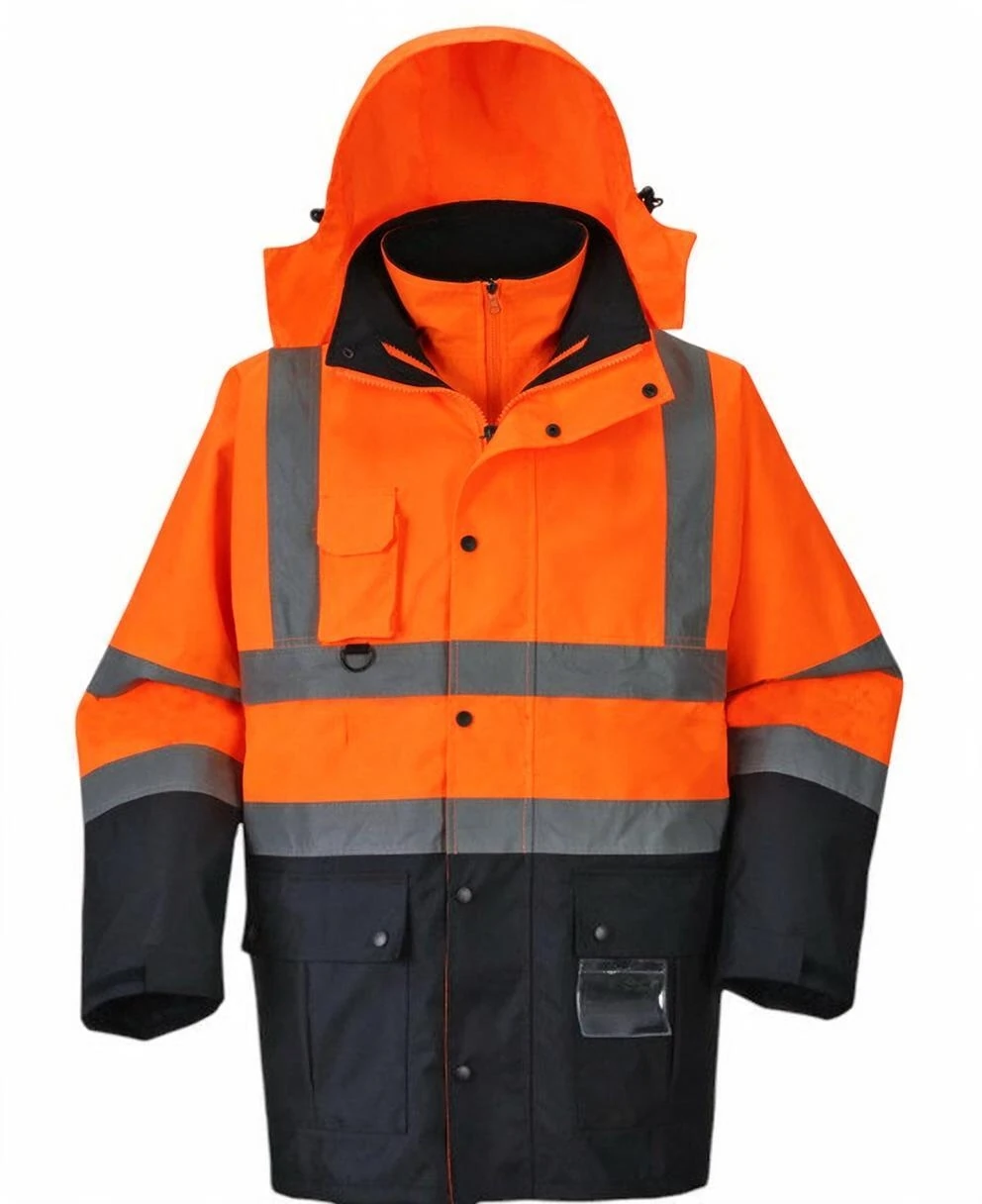
Choose reflective-jacket washing temperatures and methods from the garment label. Different models of one brand, or removable layers of one jacket, may have different care instructions. A general guide does not replace labels or user manuals. Assess washing with fabric, lining, coatings and reflective strips together.
How should 60 °C information be read?
BS-1001 records reflective strips resistant to 60 °C washing. This does not mean every garment component or catalogue model can be washed at that temperature. The whole garment's care label takes priority. Review the BS-1001 technical entry; do not transfer temperatures from another model.
Preparation before washing
Empty pockets and check fastenings and layer-separation instructions. Outer shells, inner jackets and vests may carry different labels. Assess dirt and damage before cleaning. Do not use prohibited bleach, chemical treatments or methods. Prepare closures according to instructions and separate layers where required.
Drying and storage
Follow drying and ironing symbols; do not use a method that is not permitted. Store garments clean and dry away from direct sunlight and heat. Leaving wet or dirty garments enclosed for extended periods is not appropriate general storage. Do not invent service years or wash counts where no model limit is verified.
Check before returning to use
Detached tape, significant wear, permanent fluorescent fading, coating deterioration, tears and failed zips require assessment of continued protective use. Cleaning does not automatically restore a damaged garment's class. Review the care guide, reflective jackets and declarations together. Separate model codes in corporate care arrangements to avoid mixing labels.
Procurement and model verification
Provide model codes, quantities, size allocation, field conditions and logo placement when requesting a quotation. Requesting a standard does not establish that the model is independently certified to it. Review product descriptions, technical tables and the Certificates section together. Read labels, instructions and declarations for the specific model; another product's data do not transfer automatically.
Compare body measurements with the size guide and test movement while wearing the intended layers. Printing or embroidery must not reduce visible areas or compromise protective construction; discuss the customisation plan with the manufacturer. Follow garment labels for care and storage. If no service-year or wash-cycle limit is verified, do not assume a fixed lifetime. International supply requires a separate review of destination regulations; CE marking is not automatic acceptance in every country.
The standards guide explains terminology; use catalogue documents for specific model information. Request a corporate quotation for your team's needs.
Reassemble the correct model pieces after care. When using corporate laundry services, share label instructions with the provider and review process changes with the manufacturer.