2026-11-28 · 3 min read
How to Choose a Hi-Vis Softshell Work Jacket
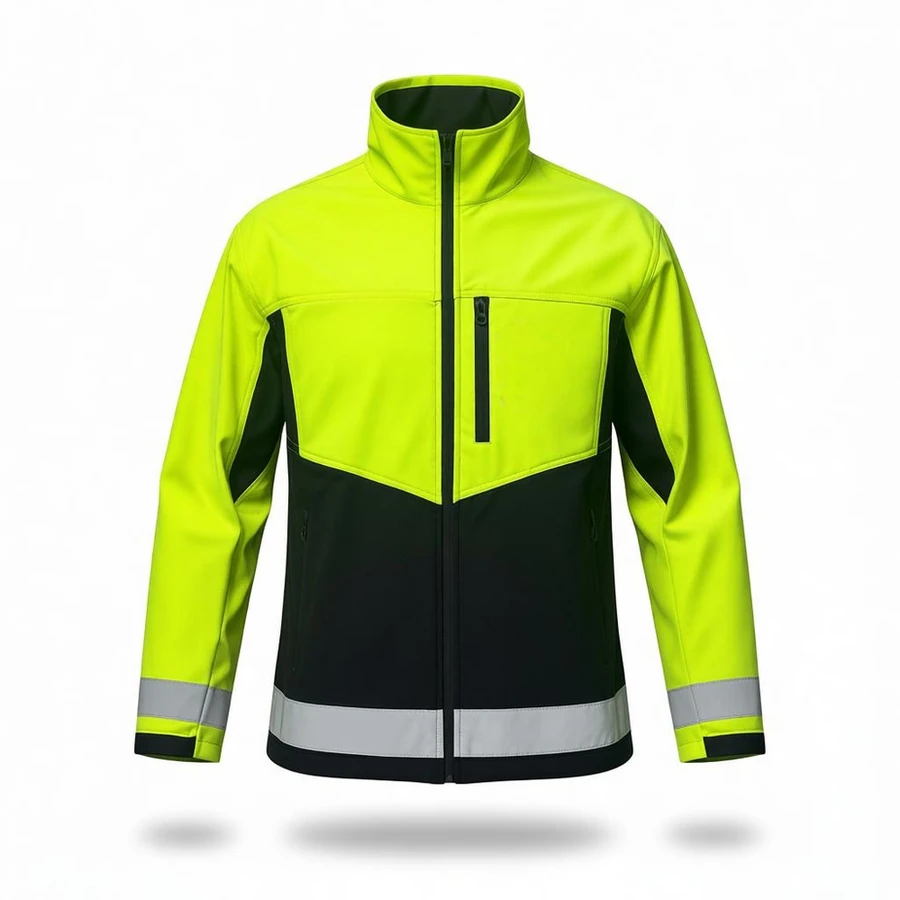
Choose a softshell work jacket by assessing movement and weather together. Softshell describes a construction or product type, not identical waterproofness, visibility or cold protection across all garments. Teams seeking hi-vis softshell should first review intended use and recorded standards. Photographic appearance is not measured material performance.
What task is it for?
Warehouse work, site inspections and short outdoor duties can have different conditions. Lifting, bending, reaching and vehicle use affect fit. A jacket tried over a thin layer may fit differently with winter layers. Include real movements and other PPE in sample trials. Do not infer season or task suitability from the product name alone.
Fabric and construction information
Read Hi-Vis Guard Softshell fabric, lining and features from its own technical table. Do not invent water-column results, air permeability, membranes or temperature limits. Another model's polyester percentage or fabric weight does not transfer. State special requirements separately in the quote if they are absent from the current entry.
Assess visibility correctly
Hi-Vis Guard records EN ISO 20471 and EN ISO 13688 in the catalogue. If no separate visibility class is recorded, do not guess Class 3. EN ISO 13688 general conformity is a manufacturer's declaration, not independent certificate scope. CE is not an EN standard or protection class. The standards page distinguishes these information types.
Clarify rain expectations
Softshell construction alone does not establish EN 343 protection. For continuous wet duties, compare rainwear and relevant model documents. Rain, conspicuity and layering comfort are different criteria. Stating required protection avoids incorrect comparisons. Do not invent weather limits or guarantees.
Corporate colours, sizes and logos
Confirm yellow and orange options from the actual entry. Logos and role markings must not cover visible areas. Plan printing or embroidery with the manufacturer for the fabric construction. Assess sizes alongside layers and movements. A photograph showing an open or closed jacket does not alone establish how to wear it on site; follow instructions.
Care and individual purchases
Compare alternative constructions through reflective jackets. Model labels take priority for care and storage; reflective garments do not all share one washing temperature. Once the company enters its actual Trendyol store address, the product page's individual-purchase link can be used. Without a link, do not assume store or stock availability. For corporate needs, include the model and quantity in a quote request.
Procurement and model verification
Provide model codes, quantities, size allocation, field conditions and logo placement when requesting a quotation. Requesting a standard does not establish that the model is independently certified to it. Review product descriptions, technical tables and the Certificates section together. Read labels, instructions and declarations for the specific model; another product's data do not transfer automatically.
Compare body measurements with the size guide and test movement while wearing the intended layers. Printing or embroidery must not reduce visible areas or compromise protective construction; discuss the customisation plan with the manufacturer. Follow garment labels for care and storage. If no service-year or wash-cycle limit is verified, do not assume a fixed lifetime. International supply requires a separate review of destination regulations; CE marking is not automatic acceptance in every country.
The standards guide explains terminology; use catalogue documents for specific model information. Request a corporate quotation for your team's needs.